
Perfect Ninh Binh Itinerary 2 Days: Must-See Spots and Tips
Ninh Binh, often hailed as “Ha Long Bay on land,” is a must-visit destination in Northern Vietnam. For international travelers, especially those from the US seeking a blend of natural beauty, history, and tranquility, a Ninh Binh itinerary 2 day provides the ideal amount of time to explore its iconic sites without feeling rushed. This direct guide focuses on the most essential experiences, ensuring an unforgettable trip centered on stunning landscapes and cultural immersion.
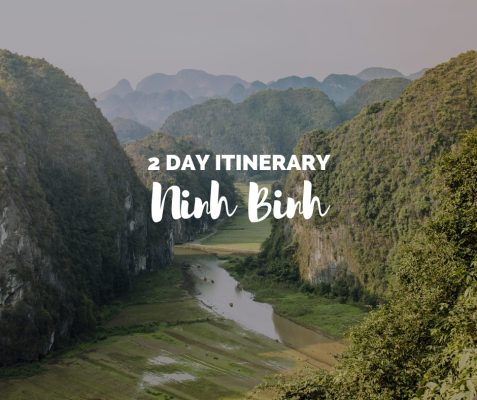
1. Day 1: The Classic Ninh Binh Landscape and History
Day 1 is dedicated to immersing yourself in Ninh Binh’s world-famous geological and historical sites. Starting early is key to beating the crowds and the midday heat.
1.1. Morning: Glide Through Tam Coc for Your Ninh Binh Itinerary 2 Day
- Experience: One of the most iconic things to do in Ninh Binh is taking a sampan boat ride through Tam Coc, known for its caves, limestone karsts, and peaceful rice fields — a perfect start for a 2-day itinerary thanks to its shorter and more direct route compared to Trang An.
- Logistics: The ride typically lasts about 1.5 to 2 hours, taking you through three majestic caves and past towering limestone karsts and lush rice fields (especially beautiful in May/June). The rowers often use their feet to paddle, a unique local sight.
- Pro-Tip: Arrive before 9:00 AM to enjoy the serenity. Bring a hat and water. Tam Coc is the direct, classic choice for a complete Ninh Binh itinerary that helps travelers plan their sightseeing efficiently over 2 days.
1.2. Afternoon: Climb the Viewpoint at Mua Cave (Hang Múa)
- Experience: For the most breathtaking panoramic view of the Tam Coc landscape and the surrounding rice paddies, the climb up Mua Cave’s viewpoint is non-negotiable.
- Logistics: It involves approximately 500 steps. The ascent is demanding but manageable. The payoff is a stunning vista, often featuring the Ngo Dong river snaking through the fields and the iconic dragon sculpture at the peak.
- Cultural Stop: Before or after the climb, visit the small Bich Dong Pagoda, a picturesque temple complex nestled into the mountainside just a short drive from Mua Cave.
1.3. Evening: Check-in and Relax in Tam Coc
- Accommodation: Stay in the Tam Coc area. It offers the best concentration of guesthouses, homestays, and boutique resorts, along with a lively yet relaxed dining scene.
- Dining: Enjoy a local dinner featuring the regional specialty: Goat Meat (Dê Núi) and Cơm Cháy (crispy rice crust).
2. Day 2: Ancient Capital and Spiritual Ninh Binh Sites
Day 2 shifts focus to the historical and spiritual heart of the region, exploring Vietnam’s former capital and its largest temple complex.
2.1. Morning: Explore Hoa Lu Ancient Capital
- Experience: Hoa Lu served as the capital of Vietnam in the 10th and 11th centuries. It’s an important site for understanding the nation’s early history and reunification.
- Logistics: Visit the two main temples: the Dinh Temple (dedicated to Emperor Dinh Tien Hoang) and the Le Temple (dedicated to Emperor Le Dai Hành). The architecture is preserved in its original style.
- Contextual Link: Understanding the history of [Hoa Lu] provides depth to the surrounding landscapes, as this area was chosen for its strategic, naturally fortified position amidst the limestone mountains.
2.2. Afternoon: Visit the Massive Bai Dinh Pagoda
- Experience: Bai Dinh is Southeast Asia’s largest Buddhist temple complex, covering a massive area. It features enormous statues, intricate architecture, and a long corridor of Arhat statues.
- Logistics: This site requires a significant amount of walking. Consider taking the electric shuttle bus (recommended due to the sheer scale) to navigate the grounds efficiently. Focus on the main halls and the impressive central pagoda tower.
- Alternative for Nature Lovers: If large-scale temples aren’t your preference, substitute Bai Dinh with a second, less-crowded boat ride in [Trang An]. However, for a diverse Ninh Binh itinerary 2 day, Bai Dinh offers a striking contrast to the natural landscapes.
2.3. Late Afternoon: Departure Preparation
- Souvenirs: Pick up some local specialties like pineapple or handmade crafts near Tam Coc.
- Travel: Depending on your onward journey (Hanoi, Ha Long Bay, or other destinations), arrange your transport. Buses and private cars are readily available in the afternoon.
3. Practical Travel Tips for Your Ninh Binh Itinerary 2 Day
Planning ahead ensures a smooth and enjoyable experience, especially for international travelers focused on efficiency.
3.1. Best Time to Go and What to Pack
- Best Seasons: Understanding the best time to visit Ninh Binh helps you plan more efficiently. The dry season from November to April offers cooler and more pleasant weather, while March–April and September–October provide the best overall balance for sightseeing. For photography lovers, the iconic “golden season,” when the rice fields turn vibrant yellow, typically falls in late May and early June.
- Packing Essentials: Bring sunscreen, a wide-brimmed hat, comfortable walking shoes (especially for the Mua Cave hike), and light, breathable clothing. For the boat rides, a small dry bag for phones and cameras is also useful.
3.2. Getting Around Ninh Binh
- Transportation: The most flexible and enjoyable way to get around the key sites is by renting a scooter (approx. $5-7 per day). The roads are relatively easy to navigate.
- Alternative: Taxis and local drivers (via your accommodation) can be hired for full or half-day tours. This is a stress-free option for those unfamiliar with driving in Vietnam. The distances between Tam Coc, Mua Cave, Hoa Lu, and Bai Dinh are all short (10-30 minutes).
3.3. Budget and Expenses (Per Person Estimate)
- Accommodation: $20–$80 per night (Guesthouse to Mid-Range Resort).
- Activity Fees: ~$25 (Tam Coc boat ticket and Mua Cave entrance).
- Food/Drink: $15–$30 per day.
- Transportation: ~$10 per day (scooter rental or shared taxi costs).
This compact and efficient Ninh Binh itinerary 2 day is specifically designed for international visitors, allowing you to maximize your experience of this incredible region. By focusing on the essential highlights—Tam Coc, Mua Cave, and the historical core—you will leave with a deep appreciation for the natural and cultural wealth of Ninh Binh.