
Ha Giang Vietnam: Mountains, Culture & Scenic Adventures
Hidden deep in Vietnam’s northern mountains, Ha Giang Vietnam is a land of wild limestone peaks, emerald valleys, and ancient cultures untouched by time. Known as the country’s final frontier, it offers a breathtaking blend of adventure, scenery, and authenticity that few places in Asia can match. From mist-covered passes to colorful hill tribe markets, Ha Giang is a destination for those who seek to see Vietnam at its purest.
1. Why Visit Ha Giang Vietnam
Before you begin your journey, it’s worth asking — why do travelers fall in love with Ha Giang? The answer lies in its rare combination of natural grandeur, cultural depth, and a sense of freedom found nowhere else in Vietnam.
1.1. Majestic Landscapes Beyond Imagination
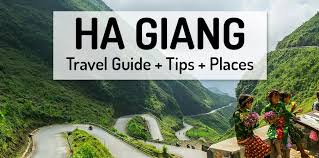
The province is blessed with jaw-dropping scenery shaped over millions of years. The Dong Van Karst Plateau, a UNESCO Global Geopark, stands as a geological wonder — a maze of towering limestone mountains, deep gorges, and terraced valleys. The Ma Pi Leng Pass, carved high above the Nho Que River, is one of Southeast Asia’s most stunning mountain roads. Whether you’re riding the Ha Giang Loop or watching sunrise over misty hills, the landscapes here will stay in your memory forever.
1.2. Cultural Diversity and Living Traditions
Ha Giang is home to more than 20 ethnic groups — Hmong, Tay, Dao, Lo Lo, and many others — each preserving its own customs, language, and craft. Their stilt houses, handwoven fabrics, and vibrant festivals reveal the deep cultural soul of the region. Travelers can explore traditional markets like Dong Van, Meo Vac, and Lung Phin, where trade, laughter, and color fill the air. To visit Ha Giang is to witness Vietnam’s cultural mosaic in motion.
2. Where — Location & How to Get There
To truly appreciate Ha Giang’s charm, understanding its remote location and the journey to reach it is essential. The long road north is part of the adventure, offering glimpses of rural Vietnam as you ascend toward the clouds.
2.1. Where Ha Giang Is Located
Ha Giang Vietnam lies about 300 km north of Hanoi, bordering China’s Yunnan province. The terrain is rugged and mountainous, dominated by limestone formations and river valleys. The provincial capital, Ha Giang City, serves as the starting point for most travelers. From there, the famous Ha Giang Loop winds through small towns such as Quan Ba, Yen Minh, Dong Van, and Meo Vac, forming one of the most scenic circuits in Vietnam.
2.2. How to Get Ha Giang Vietnam
There are several convenient ways to reach Ha Giang depending on your budget and travel style:
- Sleeper Bus from Hanoi: The most popular option, with daily departures from My Dinh and Giap Bat stations. The journey takes around 6–7 hours and drops you off in Ha Giang City by early morning.
- Private Car or Minivan: Perfect for families or small groups wanting comfort and direct service.
- Motorbike (Self-ride or with Easy Rider): For adventure lovers, riding through winding mountain passes is an unforgettable experience. Easy Rider tours with local drivers are ideal if you prefer to enjoy the scenery safely.
- Guided Tours: Many Hanoi-based agencies offer 3–5 day packages that include transport, accommodation, and guided routes around the Ha Giang Loop.
3. Best Time to Visit
Ha Giang’s landscape transforms beautifully across the seasons, meaning there’s never a wrong time to visit — only different ways to experience its charm.
3.1. Spring (February – April)
Mountains bloom with peach and plum blossoms, and ethnic festivals fill the air with music, dance, and color. It’s the season of new life and cultural celebrations.
3.2. Summer (May – August)
Fields turn lush green, rice terraces shimmer in the rain, and waterfalls flow powerfully. The scenery is vibrant, though occasional rain showers add drama to the mountains.
3.3. Autumn (September – November)
Perhaps the best time to visit, when golden rice terraces stretch across the valleys and skies are crystal clear. Ideal for photography and trekking.
3.4. Winter (December – January)
Fog blankets the hills, and temperatures drop — creating a mysterious, tranquil atmosphere. Perfect for travelers who love misty, moody mountain views.
4. Top Things to Do in Ha Giang
Whether you’re an adventurer or a cultural explorer, Ha Giang offers endless experiences that connect you deeply to its land and people.
4.1. Conquer the Ha Giang Loop
The Ha Giang Loop is a 350-kilometer circuit through the province’s most spectacular regions. Over 3–5 days, you’ll pass:
- Quan Ba Heaven Gate – the first gateway to Ha Giang’s mountain world.
- Yen Minh Pine Forest – cool and green, often compared to a northern European landscape.
- Dong Van Ancient Town – with century-old stone houses and charming cafés.
- Ma Pi Leng Pass – the highlight of the loop, offering breathtaking views over the Nho Que River.
- Meo Vac Market – a vibrant weekend gathering of ethnic groups trading goods and stories.
4.2. Take a Boat Trip on the Nho Que River
Drifting through the emerald canyon below Ma Pi Leng Pass is one of Ha Giang’s most surreal experiences. The river’s turquoise color contrasts sharply with the dark cliffs rising hundreds of meters above.
4.3. Visit the Dong Van Karst Plateau Geopark
Recognized by UNESCO, the Dong Van Karst Plateau is a natural masterpiece telling the story of Earth’s geological evolution. Villages like Lung Cu (home to Vietnam’s northernmost flag tower) and Lo Lo Chai reveal the beauty of ethnic life against the dramatic mountain backdrop.
4.4. Trekking, Homestays & Local Encounters
Ha Giang is a paradise for trekking. Routes through Du Gia, Nam Dam, or Lung Tam let you experience authentic rural life — bamboo forests, terraced fields, and evenings spent with local families over home-cooked meals and corn wine.
5. Where to Stay
After long rides or hikes, Ha Giang’s accommodations offer a comforting mix of authenticity and relaxation. Whether you want a cozy homestay or a boutique lodge with mountain views, there’s something for every traveler.
5.1. Ha Giang City:
This is where most visitors spend their first or last night before starting or ending the loop. You’ll find budget guesthouses, boutique hotels, and cafes to unwind.
5.2. Dong Van & Meo Vac:
These towns along the loop offer charming stays close to markets and scenic passes. Try Dong Van B&B, Meo Vac Clay House, or eco-lodges built with traditional materials for a rustic yet comfortable stay.
5.3. Du Gia Village:
Perfect for a quiet retreat. Stay in a riverside homestay surrounded by rice fields. Evenings here often include family dinners, bonfires, and local music — the kind of memory that stays with you.
5.4. Eco-lodges & Glamping:
Recently, eco-accommodations have flourished, blending comfort with sustainability. They use solar power, local materials, and support community-based tourism — ideal for responsible travelers who care about preserving the region’s purity.
6. What to Eat
Food in Ha Giang is earthy, simple, and rich with highland character. Each dish reflects the ingenuity of mountain life — humble ingredients turned into unforgettable flavors.
Start your culinary journey at local markets or family-run eateries along the loop.
- Thang Co: A traditional Hmong stew made from horse meat and herbs — a bold taste of ethnic culture.
- Smoked Buffalo Meat: Dried over wood fire for days, this delicacy is smoky, savory, and often enjoyed with local corn wine.
- Buckwheat Cake (Banh Tam Giac Mach): A soft, nutty cake made from the buckwheat flowers that bloom every autumn.
- Au Tau Porridge: A warming rice porridge cooked with a local medicinal root, believed to energize travelers after a long ride.
- Five-color Sticky Rice: Symbolizing prosperity and harmony, this colorful dish brightens festivals and family gatherings.
The flavors of Ha Giang tell a story of mountain resilience — simple yet unforgettable.
7. Suggested Itinerary — The Classic 4-Day Ha Giang Loop
Planning your first trip? Here’s the ideal route to capture Ha Giang’s best highlights without rushing.
Day 1: Hanoi → Ha Giang City → Quan Ba
Day 2: Quan Ba → Yen Minh → Dong Van
Day 3: Dong Van → Ma Pi Leng Pass → Meo Vac
Day 4: Meo Vac → Du Gia → Ha Giang City → Return to Hanoi
Each stop offers scenic drives, cultural encounters, and quiet corners for reflection — the essence of northern Vietnam’s beauty.
Ha Giang Vietnam is not just a place on the map — it’s a journey into the untouched soul of Vietnam. Between mountain passes and misty valleys, you’ll discover moments of silence, kindness, and raw beauty that few destinations can offer. Whether you come to chase adventure or to slow down and breathe mountain air, Ha Giang will leave an imprint far deeper than photographs — it becomes a part of you.